
The Complete Guide TO DJEMBE SKINS
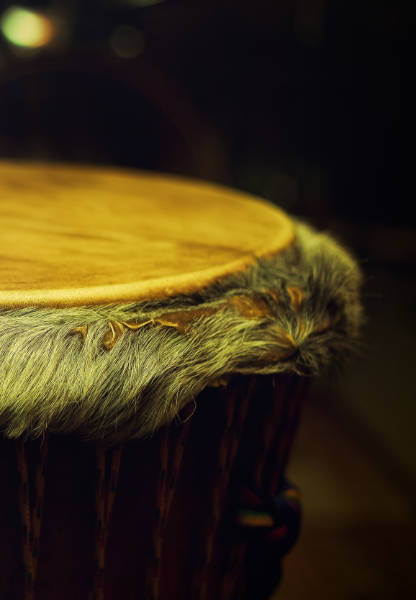
Original african djembe drum with leather lamina with beautiful hair in beautiful tyellow light with dark background
If you're looking to buy a djembe skin, chances are you have a broken djembe drum.
For djembe skins, it's difficult to know what to buy. This comprehensive guide will show beginners exactly what to look for in a djembe drum skin, so you don't waste time or money, and so you know how to get the right type of skin for your drum AND for you as a player.
This article is worth reading because replacing the skin on your djembe is a chance to make it sound the best it can, creating an instrument that inspires you to play more and become a better musician.
We'll break down the confusing world of drumheads, suppliers, origins, and thicknesses using decades of hands-on experience with traditional West African repair techniques.

What is a djembe skin?
In African history, people made drums using animal hide, and a djembe drum is no different. Stretching the hide over the drum creates a membrane, which vibrates and resonates in the shell when struck.
What are they made of?
Traditionally, djembes use goatskin.
Goats were, and still are common in West Africa, and are a popular source of food, leather and other products.
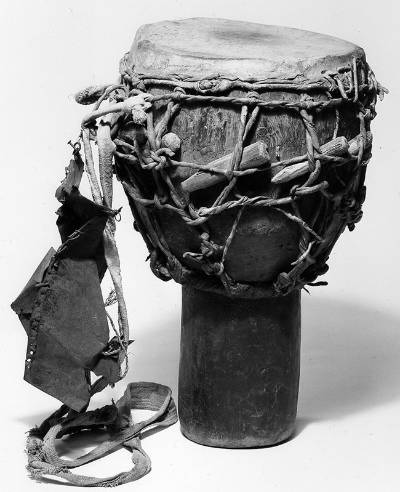
Do You Have To Use Goat Skin?
No. Goat is the most common because it works very well on a djembe. But these days people use many hides:
- Calfskin - brighter, clearer tones
- Deerskin - softer feel, different resonance
- Camel skin - rare but occasionally used
- Synthetic skins - consistent quality, weather-resistant
Pro Insight: "For beginners, we recommend goatskin because it is classic traditional djembe and when you're fixing a djembe, they are fairly easy to work with."
Where Do They Come From?
Most African djembes use goat skins from local suppliers. That means they're mostly African goats. However, these days, there are suppliers of goat skins from all over the world. Other notable other suppliers of goat skins are Pakistan and Indonesia.
Where Can You Buy Goat Skins?
You can buy goatskins from many large online shops. You can even buy them on sites like EBay and Amazon.
Don't buy the cheapest thing you can find.
We don't recommend using Amazon, Ebay or similar large shops to buy skins for djembes.
Cheap skins (like those on Amazon, etc) tend to be too thin for full sized djembes, which means they break easily. And if it breaks, you're back to square one. You defos don't want that. [sad trumpet noise]
So where do I get them, you say? Ah, such tenacity. Here, I made a lovely chart for you.
BUY FROM:
- Specialist djembe suppliers
- Mom and pop drum stores
- Retailers run by actual drummers
AVOID
- General craft suppliers
- Big box music stores
- Online marketplaces (EBay & Amazon)
The best thing to do is get a skin from a djembe supplier. These are small, often family-run businesses, and they're usually djembe players themselves with the knowledge to get the right skin for djembes specifically.
You may have to shop a little further afield. But you'll get the right product.
How Much Do Djembe Skins Cost?
- Expert knowledge about skin selection can save you wasted money
- Quality control - they know good skins
- Proper sizing guidance for your specific drum
- Support and advice throughout your project
- Consistent quality vs random online sellers
Consider buying more than one skin at a time. They store very well if kept dry, and you'll have a spare for emergencies.
We stock quality djembe skins in the UK and Europe.
How Do You Fit A Djembe Skin?
To fit a new djembe skin, you first need to remove the old skin by loosening the ropes and taking the drum head off.
Then you soak your new skin until it's soft and pliable, fit it onto the drum, and tighten the ropes back up again. The rope needs to be pulled to stretch the skin before it dries and settles into position.
Our complete djembe reskinning tutorial walks you through each step with clear instruction - perfect for anyone curious about giving it a go!
What Types Of Skin Can You Buy?
When you buy a skin on its own, it usually comes either:
- Already cut into a circle
- As the whole hide
- Rolled up in a tube for shipping
Dry Vs Stiff
When sold, they can be quite dry and stiff, even hard to unroll sometimes, but to fit the skin, you soak it in water and it becomes soft and stretchy so you can work with it.

Need help with installation? Check out our step-by-step djembe skin replacement tutorial or consider our professional djembe repair services.
How Do You Choose the Right Size Skin?
Djembe skins come in a variety of sizes.
When they're cut into a circle, the size means the diameter in inches.
If you get them as a rectangle or even the whole hide, there will usually be length and width measurements.
The Big Questions: What size do you need for YOUR drum?
SIZE FORMULA
Drum Size + 6 inches = Skin Size You Need
This gives you 3 inches of excess all around the drum to allow for wrapping, gripping on to the rings and trimming.
Real Example:
- 12-inch djembe = Needs 18-inch skin
- 10-inch djembe = Needs 16-inch skin
- 14-inch djembe = Needs 20-inch skin
This sizing rule applies whether you're working on a djembes from Mali, or a modern instrument.
The rope tensioning system requires this extra material to grip onto and pull your drumhead tight to achieve that authentic African percussion sound.

Thick Vs Thin Djembe Skins
The thickness of the skin affects the resonance of the drum - by that we mean how long the note sustains after you hit it. Understanding this difference is crucial when choosing your goatskin.
Look, I made you another awesome chart. With tabs and everything.
- THIN SKINS
PROS
• Dry, woody sound with short notes
• More durable - less likely to break
• Can tune to higher pitches
• Perfect for lead djembe parts

CONS
• Harder to play - need more force
• Painful for beginners
• Physically demanding to install
• More expensive

💪 Reality Check: It's a physically tough job to pull thick skins, and beginners will struggle."
The Sweet Spot: Most djembes will be fine with a medium-thickness skin. Even though there's no strict definition of "medium," you should be fine if you buy from a djembe supplier. Have I said that yet?
Struggling with the technique? Our, ahem, djembe fundamentals course covers proper hand techniques for any skin thickness.
Hair Or No Hair?
You can buy a skin with the hair still on or chemically treated to remove the hair. This choice affects both the look and maintenance of your finished drum.
Time for another chart.
HAIR ON SKINS
- Can look stunning with fur collar
- Traditional aesthetic
Challenges:
- Need to shave playing area
- Hair traps dirt and moisture
HAIRLESS SKINS
- No shaving required
- Easier installation
- Classic djembe look
Perfect for first-time installers

Our Recommendation: "We recommend hairless skins for beginners - if you're careful you can get a really neat edge and achieve that classic djembe look."
For your first re-skinning project, stick with hairless goatskins to avoid the additional complications of hair management while you're learning proper rope tensioning and installation techniques.
Does the Origin of Your Goatskin Matter?
Some people prefer only African goatskins for a djembe, and there's truth to the idea that the best djembe skins come from hot and dry climates like those found in Mali and other parts of West Africa.
CLIMATE SCIENCE
Hot, dry climates produce:
- Lower fat content in skins
- More responsive drum heads
- Clearer, brighter sound
- Better aging characteristics
vs. Cold, wet climates:
- Higher fat content
- Less responsive
- Duller sound potential
The traditional knowledge from Mali and the Ivory Coast emphasizes choosing materials from climates because these master builders understand how environmental factors affect the final instrument's tonal characteristics.
It's not always possible to get a skin from Africa. Some places don't say where their skins come from, but if you can specify the origin, try to get a skin from a hotter climate. If not, no big deal.
Quality matters more than geography. A well-prepared skin from a reputable supplier will serve you better than a questionable "African" skin from an unknown source.

A map of West Africa including the traditional djembe playing countries of Mali, Senegal, Guinea, Ivory Coast, Ghana and Burkina Faso.
Want to learn more about djembe culture? Join our Facebook community with 2,000+ members sharing tips and cultural knowledge.
What about Brand Name Djembe Heads?
If you have a djembe made by a major drum manufacturer like Meinl or Toca, you might find pre-made djembe heads made specifically for your drum - with the skin already wrapped around a ring.
PRE-MADE HEADS
Pros:
• Quick installation
• Guaranteed fit for brand drums
• No wet skin work required
• Professional appearance
Cons:• Much more expensive (often 2-3x cost)
• Limited customization
• Limited sizes, doesn't fit older/custom drums
These brand-name drumheads typically cost significantly more than loose skins, but the premium pays for convenience and guaranteed fit.
Pro Player Insight: "Many professional players prefer traditional installation methods using loose skins because it allows for more customization and fine-tuning of the drum's tonal characteristics."
If you can't find a pre-made head for your specific djembe, you can still do it the normal way with a loose skin. The traditional rope-and-skin method also connects you more directly to the cultural heritage of West African drumming.

Pre-made djembe heads vs traditional rope-fitted heads
Need help choosing? Contact our expert repair team for personalized advice on your specific drum.
💡 Quick Tip: The skin becomes the voice of your entire instrument, determining whether you'll achieve the rich, complex tones that make African percussion so captivating.
What are our recommendations?
Putting everything we've discussed into practice, here are our recommendations for beginners who want to repair their own djembe. These suggestions come from years of hands-on experience with traditional African percussion instruments.
QUICK REFERENCE GUIDE
Small to Medium Djembes (9-12 inches):
• Medium thickness hairless goatskin
• 6 inches larger than drum diameter
• Best balance of sound and workability
Very Small Drums (5-9 inches):
• Thin skin only
• Helps small drums project better
• Increased responsiveness
Large Drums (12+ inches) - Advanced Only:
• Thick skin for power and projection
• Requires significant skill and strength
• Professional installation recommended
🏆 EXPERT TIP: "The medium thickness gives you good resonance without being too difficult to work with during the rope tensioning process."
For that high-pitched solo djembe sound, use a very thick goatskin or even calfskin, but be warned - it's a physically tough job to pull the skin that tight, and beginners will struggle with this approach.
📸 [IMAGE: Three djembes showing small/medium/large with appropriate skin thickness labeled]
Special situations:
• Outdoor performance: Consider slightly thicker skins for durability
• Studio recording: Thicker skins often record better
• Teaching environments: Medium and thinner thickness for versatility and beginners
• Traditional ensembles: Follow cultural preferences for your region
Ready to start your project? Check out our complete installation tutorial with step-by-step video guidance.
Professional Djembe Repair Services
You can get cheaper skins from general suppliers, and we have bought those as budget options before, but usually we recommend buying higher-quality skins from specialist suppliers because it's worth it in the long run.
PROFESSIONAL SERVICES VALUE
What you get:
• Expert skin selection for your drum
• Proper installation techniques
• Quality guarantee on workmanship
• Optimal tuning and setup
• Damage prevention expertise
Investment range: £90-150 including materials
Professional djembe repair services typically charge between £90 and £ 150 for complete skin replacement, including both premium materials and expert installation. This pricing reflects the specialized knowledge, proper tools, and time investment required to achieve results that will serve you well for years.
WHAT'S INCLUDED
• Shell inspection and minor repairs
• Premium skin selection
• Traditional installation techniques
• Rope replacement if needed
• Professional tuning• Setup optimization
The value extends beyond simple installation - experienced technicians can evaluate your drum's overall condition and recommend the best skin type for your specific instrument and playing style.
📸 [IMAGE: Professional workspace showing tools, skins, and djembe in various stages of repair]
When you buy from professional suppliers or repair services, you're also getting access to knowledge about traditional techniques from Mali, the Ivory Coast, and other centers of African percussion culture.
Book a consultation: contact our professional repair team to discuss your specific needs.
Summary
✅ ESSENTIAL TAKEAWAYS
• Buy skins 6 inches larger than your drum diameter - this gives you the 3 inches of excess needed all around for proper rope work
• Medium-thickness goatskins work best for 9-12 inch djembes - they balance sound quality with ease of installation
• Thin skins are only for very small drums (5-9 inches) - they break easily on larger instruments
• Thick skins require advanced skills and physical strength - beginners should avoid them initially
• Hairless skins are easier for beginners - you can achieve a classic djembe appearance without shaving complications
• Hot-climate skins have lower fat content - producing more responsive, clearer-sounding drums
• Shop at specialist djembe suppliers - these 'mom and pop' stores have the expertise you need
• Expect to pay £20-70+ depending on size and quality - but avoid the cheapest options
• Pre-made brand heads cost much more - convenient but loose skins often sound better
• Professional installation runs £90-150 - includes expertise and guarantees proper results
• Soak skins thoroughly before installation - dry skins will crack when you try to stretch them
• Traditional techniques from Mali and Ivory Coast - provide time-tested methods for optimal sound and durability
Ready to transform your djembe? In the uK? Start with our range of djembe skins or book professional installation for guaranteed results.
Join the community: Connect with 2,000+ djembe enthusiasts in our Facebook group for ongoing support and advice.