How to Sell A Djembe (and Get TOP DOLLAR)
Whether you're upgrading your djembes collection or need to part ways with your beloved hand drum, selling your djembe doesn't have to mean accepting the first lowball offer that comes your way. This comprehensive guide will walk you through every step of the selling process, from accurately valuing your instrument to finding the right buyers who appreciate quality percussion instruments. You'll discover insider tips that can significantly increase your selling price and avoid common mistakes that leave sellers disappointed with their returns.
What Determines Your African Hand Drum's Value?
Several key factors influence how much your drum is worth in today's market. The most important consideration is the shell construction - whether it's hand carved from traditional hardwoods or manufactured using modern techniques. Authentic african djembes crafted by skilled artisans in countries like Mali, Guinea, or Ghana typically command higher prices than mass-produced alternatives. The wood type makes a significant difference too, with cedar wood and other premium hardwoods being more valuable than synthetic materials.
The drum's origin story plays a crucial role in determining value. A real djembe with documented provenance from West Africa will always outperform generic percussion instruments in the marketplace. Brand recognition matters as well - established names like Meinl, Toca, and Remo carry weight with buyers, while lesser-known manufacturers may struggle to achieve premium pricing. Size is another critical factor, as larger djembes generally command higher prices due to their superior bass tone and projection capabilities.
Construction quality separates valuable instruments from basic models. Hand carved shells with traditional rope tuned tensioning systems are more desirable than drums using synthetic tensioning mechanisms. The weave pattern, rope quality, and overall craftsmanship all contribute to the instrument's perceived and actual value in the secondary market.
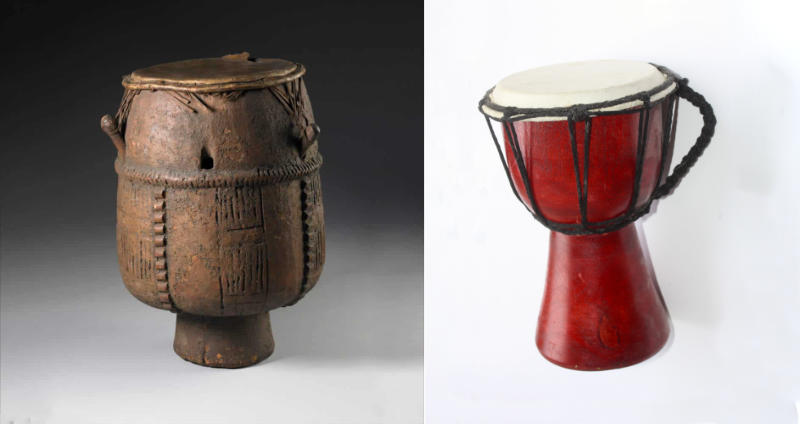
The antique drum on the left is a museum-quality piece worth several thousand dollars due to its age (over 300 years) and historical significance, while the mass-produced Indonesian curio drum djembe on the right is worth approximately $10. This comparison illustrates how provenance and authenticity dramatically affect djembe values.
How Much Should You Expect for Your Used Djembe?
Understanding realistic price expectations prevents disappointment and helps you set competitive asking prices. Used djembes typically sell for 25-50% less than their original retail price, assuming they're in good playing condition. Professional-quality large djembes (13-14 inches) can fetch £300-800, while smaller instruments or basic models might only achieve £20-100 in the current market.
Broken djembes face significant value reduction since most buyers lack repair skills. However, if your drum features an excellent wooden shell with minor damage, it might still attract buyers looking for restoration projects. A damaged drum from a quality artisan could sell for several hundred pounds, while a broken mass-market instrument might only bring £5-20.
Brand premium varies significantly across manufacturers. Established percussion companies like Meinl command higher resale values than generic imports, even when the actual construction quality is comparable. This brand recognition translates directly into better selling prices and faster transaction times when you're ready to sell.
Where Did Your Djembe Come From and Why It Matters?
Provenance documentation can dramatically impact your drum's selling price. Check inside the shell for maker's marks, stamps, or labels that identify the manufacturer or artisan. African djembe makers often carve their signatures or symbols into the wood, adding authenticity and value to the instrument. Even mass-produced djembes benefit from clear brand identification and model information.
Research your drum's history if possible. Was it purchased from a reputable music store, acquired during travels in West Africa, or bought online from a general retailer? This background information helps potential buyers understand what they're purchasing and justifies your asking price. Buyers pay premium prices for instruments with interesting stories or verified authenticity.
Document any special features or unique characteristics. Does your djembe feature traditional rope tuning, hand-carved decorative elements, or premium wood selection? These details distinguish your instrument from generic alternatives and appeal to serious drummers seeking authentic percussion instruments for their collections.
What Condition Issues Affect Your Drum's Price?
Honest condition assessment prevents disputes and ensures smooth transactions with buyers. The wooden shell condition is paramount - check carefully for cracks, woodworm damage, or structural issues that could affect the drum's longevity. Surface scratches and minor cosmetic wear are normal for used instruments, but significant damage requires price adjustments.
Drumhead condition directly impacts playability and value. Cracked, torn, or severely stretched heads need replacement, which reduces the instrument's immediate usability. However, many serious drummers prefer to install fresh heads anyway, so moderate head wear might not significantly impact selling prices. Synthetic drumheads are more durable than traditional animal skins but may be less appealing to purists seeking authentic african drums.
Hardware problems like loose rope, damaged tensioning systems, or missing accessories reduce value and buyer interest. Rope tuned djembes with frayed or broken cords create additional work for buyers, potentially justifying lower offers. Document all condition issues honestly in your listings to build trust with potential buyers and avoid transaction complications.
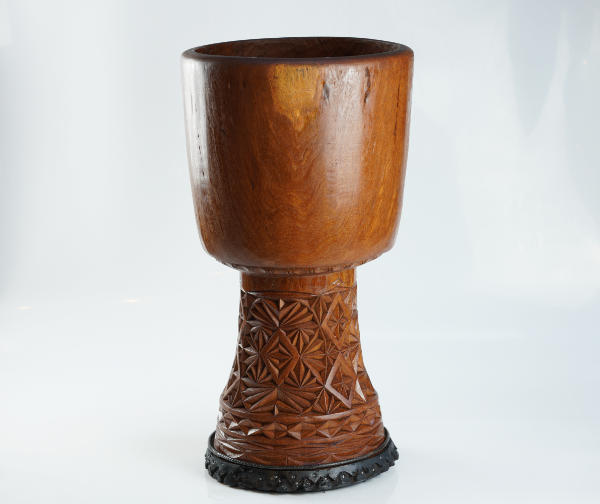
The wooden shell is the heart of any djembe's value. This studio shot demonstrates the beautiful grain and expert craftsmanship that determines most of a drum's worth. For non-museum pieces, the shell quality is the primary factor in determining market value.
How to Research Current Market Prices for Musical Instruments?
eBay completed listings provide the most accurate pricing data for used percussion instruments. Search for djembes similar to yours and examine sold listings rather than current auctions, which only show asking prices rather than actual transaction values. This research reveals realistic market expectations and helps you price competitively. Start your research by browsing current djembe listings on eBay to understand the competitive landscape.
Check multiple platforms including Craigslist djembe listings, Facebook groups, and specialized music forums like Drummerworld Forum to understand regional pricing variations. Local markets may offer different opportunities than national online platforms, particularly for larger instruments where shipping costs become significant factors in buyer decisions.
Compare your drum against similar models from major brands like Meinl, Toca, and Remo to establish baseline values. Even if your instrument isn't from these established manufacturers, understanding their pricing helps position your djembe appropriately in the market hierarchy. Check Reverb's djembe marketplace for professional-level pricing comparisons.
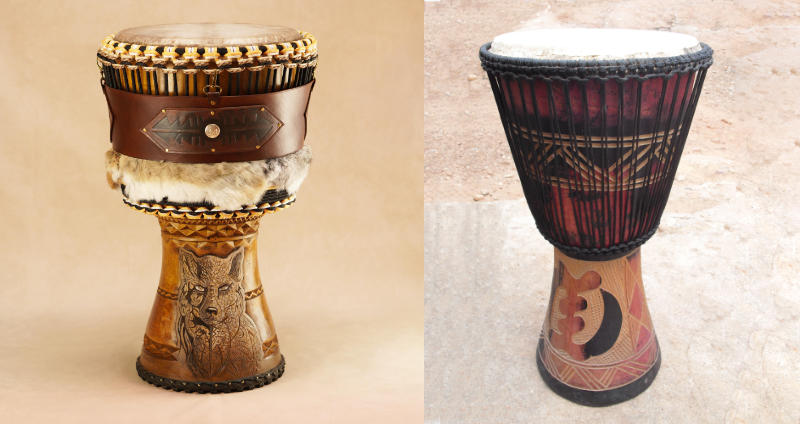
This comparison shows the dramatic difference between a mass-produced Ghanaian drum (right) worth $50-100 secondhand, and a custom handcrafted djembe (left) valued at $1000-$2000. The superior wood selection, carving detail, and overall craftsmanship of the custom drum justify the significant price difference.
What Information Do Buyers Need About Your Rhythm Instrument?
Comprehensive listings attract serious buyers and justify higher prices. Measure your drum's diameter across the drumhead in inches and note the total height - this basic information helps buyers understand size and tonal characteristics. Include the wood type if known, as different species offer distinct tonal qualities that appeal to specific buyer preferences.
Provide detailed condition descriptions covering the shell, drumhead, rope, and any accessories included in the sale. Mention any repairs, modifications, or upgrades that might affect value or playability. Transparency builds buyer confidence and reduces the likelihood of disputes after purchase.
Include the drum's history when relevant - where it was made, when purchased, how it was used, and why you're selling. This context helps buyers connect with the instrument and understand its background. Serious drummers often prefer instruments with interesting stories over generic alternatives.
Where Should You Sell Your Djembe for Best Results?
eBay offers the widest audience reach for percussion instruments, making it ideal for unusual or high-value djembes that might not find local buyers. The auction format can drive prices higher when multiple bidders compete for desirable instruments. However, fees and shipping complications may reduce net proceeds.
Local platforms like Craigslist and Facebook groups work well for heavy or valuable drums where shipping costs become prohibitive. Buyers can inspect and test instruments before purchase, reducing return risks and building confidence in the transaction. Local music store bulletin boards and drum circles also provide targeted exposure to interested buyers.
Reverb specializes in musical instruments and attracts serious musicians seeking quality gear. The platform's focus on music equipment means your djembe reaches buyers specifically interested in percussion instruments rather than general bargain hunters. This targeted audience often pays premium prices for quality instruments.
When Is the Best Time to Sell Your Drum?
Christmas season creates increased demand as people seek unique gifts for musically-inclined friends and family. African drums make exotic presents that stand out from typical holiday offerings, often commanding premium prices during November and December buying seasons.
Summer months see heightened interest in portable percussion instruments as festivals, outdoor events, and drum circles become more active. The seasonal rhythm of musical activity influences buying patterns, with spring and summer generally offering better selling conditions than winter months.
Avoid flooding the market during slow periods when buyer interest wanes. Monitor similar listings to time your sale when competition is lighter and buyer attention is focused. Patient sellers often achieve better results than those rushing to complete quick transactions.
How to Present Your Djembe to Attract Serious Buyers?
Why Brand Recognition Matters for Sellers
Branded djembes from established manufacturers like Meinl, Remo, and Toca offer significant advantages for sellers because they're much easier to price accurately. These companies publish recommended retail prices (RRP) for new instruments, giving you a clear baseline for calculating your used drum's value. A seller with a Meinl djembe can simply find the current new price and apply the standard 25-50% depreciation for used musical instruments.
Brand recognition also speeds up the selling process since buyers familiar with these manufacturers understand the quality they're purchasing. Remo djembes, for example, are known for their synthetic heads and consistent construction, while Toca specializes in affordable African-inspired percussion instruments. This brand trust translates into faster sales and often higher final prices compared to unbranded alternatives.
Creating Professional Presentations
Professional photography significantly impacts selling success. Take multiple high-quality photos showing the drum from various angles, including close-ups of any damage or wear. Natural lighting produces better results than harsh indoor illumination, while neutral backgrounds keep focus on the instrument rather than cluttered surroundings.
Create a sound demonstration video showcasing your djembe's tonal capabilities. Record yourself playing basic rhythms to demonstrate the bass tone, slap sounds, and overall projection. Upload to YouTube and include the link in your listings - nothing sells a drum like hearing its voice. This extra effort separates serious sellers from casual ones.
Write compelling descriptions that tell your djembe's story while providing essential technical information. Combine emotional appeal with factual details to engage both heart and mind in potential buyers. Mention specific use cases like drum circles, recording sessions, or cultural performances to help buyers envision owning your instrument.
Should You Repair Your Djembe Before Selling?
Minor repairs often pay for themselves through higher selling prices and faster sales. Simple fixes like tightening loose rope or cleaning accumulated grime make instruments more appealing without significant investment. However, major repairs requiring professional intervention may not justify their costs unless you're dealing with particularly valuable drums.
Consider your target market when evaluating repair decisions. Serious drummers might prefer handling their own modifications and repairs, while casual buyers want immediately playable instruments. Professional drum restoration services can transform damaged instruments into premium offerings, but the economics must make sense given realistic selling prices.
DIY repair options exist for confident sellers willing to invest time and effort. Want to repair it yourself? Check out our Fix Your Djembe in 60 Minutes course for step-by-step guidance. If you're in the UK and prefer professional help, we offer djembe repair services. However, amateur repairs gone wrong can reduce value below original damaged condition, so proceed carefully with expensive instruments.
Key Points to Remember
• Research thoroughly - Check eBay completed listings and compare similar djembes before setting your price
• Document everything - Measure dimensions, identify wood types, and note any maker's marks or brand information
• Condition matters - Honestly assess and disclose all damage, wear, and functionality issues
• Timing is crucial - Sell before Christmas or during summer months for maximum buyer interest
• Present professionally - Take quality photos and create sound demonstration videos
• Choose the right platform - Use eBay for wide reach, local sites for heavy drums, Reverb for serious musicians
• Price realistically - Expect 25-50% less than retail for used instruments in good condition
• Tell the story - Include provenance and background information to justify premium pricing
• Consider repairs - Simple maintenance often pays for itself through higher selling prices
• Be patient - Quality djembes find appreciative buyers willing to pay fair prices